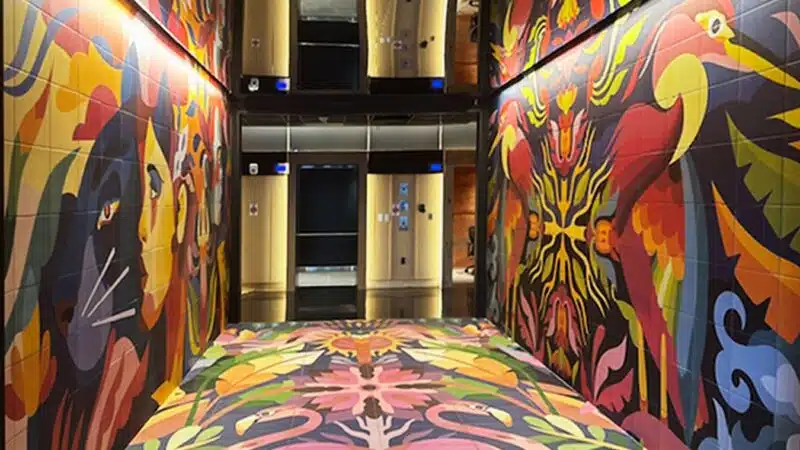
Custom Printed Tile Technical Specifications & Performance Data
Custom digitally printed porcelain and ceramic tiles deliver high-resolution imagery and durable performance for architectural, commercial, and public environments. Tile specifications define the material performance, durability characteristics, and installation requirements used when selecting ceramic or porcelain tile systems for architectural projects. Detailed installation procedures for these tile systems are outlined in our tile mural installation guide and specifications.
These specifications commonly include water absorption, slip resistance, abrasion resistance, chemical durability, and frost resistance as defined by ANSI, ASTM, and ISO testing standards. This page provides technical tile specifications, performance data, and planning considerations referenced during architectural specification review, product evaluation, and project planning.
These performance characteristics inform how architectural tile systems are evaluated and specified for hospitality, public art, and commercial installations.
These specifications support applications including custom bathroom and shower tile murals, custom floor tile systems, and outdoor porcelain tile murals used in architectural and public art environments.
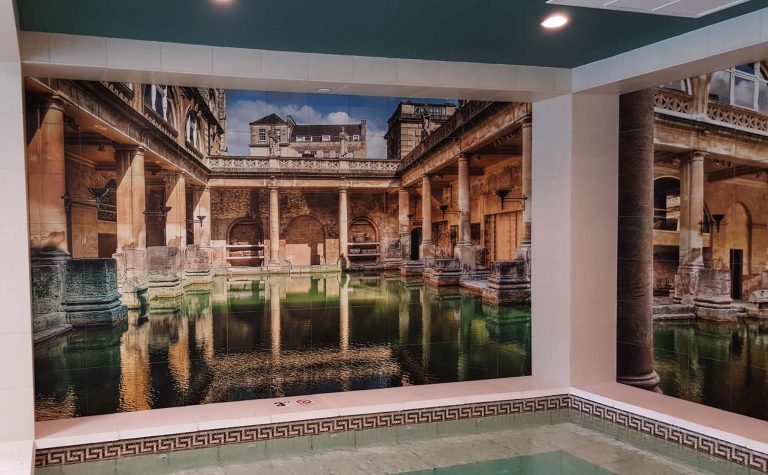
Technical Performance Reference Documents
Architectural Tile Specification Sheets (PDF)
Download porcelain and ceramic tile specification sheets used for architectural submittals, performance evaluation, and project planning. These documents summarize material properties, slip resistance, water absorption, and durability characteristics for custom printed tile systems.
Wall Tile Performance Specifications (PDF)
Water absorption • Frost resistance • Chemical and physical performance data
Anti-Slip Floor Tile Performance (PDF)
Slip resistance • Surface abrasion • Chemical and stain resistance
How to use these PDFs:
-Use these documents during specification review and product selection.
-For project-specific installation requirements, we can coordinate with your tile installer.
-Need help with spec details? Contact us.
Material Properties & Standards
Porcelain tile is defined by low water absorption and high mechanical strength. Performance testing is based on industry standards such as ANSI A137.1 and ISO/ASTM methodologies, including abrasion resistance (PEI), frost resistance, and slip resistance. These criteria help determine suitability for interior, exterior, wet, and high-traffic environments. The ceramic pigments enable high-resolution printing with outdoor durability exceeding 100 years.
Common Tile Performance Questions
What makes porcelain tile suitable for architectural installations?
Porcelain tile is defined by extremely low water absorption and high mechanical strength. These properties allow porcelain tile systems to perform reliably in high-traffic environments, wet areas, exterior installations, and demanding commercial applications.
Are digitally printed porcelain tiles durable?
Yes. Digitally printed porcelain tiles are kiln-fired using ceramic pigments, creating permanent imagery that resists abrasion, chemicals, moisture, and UV exposure while maintaining long-term color stability.
What standards are used to evaluate tile performance?
Architectural tile systems are typically evaluated using standards such as ANSI A137.1 along with ASTM and ISO testing methodologies that measure properties including abrasion resistance, water absorption, slip resistance, and frost resistance.
Design & Planning Considerations
- Select your image or design for the custom wall tiles or flooring.
* Send a photo or the artwork hard copy. It can be scanned and returned.
-OR-
* Send your digital file (high resolution). Upload Images.
2. Determine the size of the tiles and tile mural area available for the project (contact us for help). This is where we can be very helpful. We can advise based on your artwork and architectural functionality. Measure the width and height of the area available. You may fill the area completely with the custom tile mural or select a custom mural size and surround it with ‘field’ tile. Additional tips are below*.
3. Submit a Request for Quotation to receive a cost estimate. We will confirm the information personally for accuracy. For time-critical inquiries and any type of assistance in planning, use email.
Installation & Performance Guidance
Tile installation requires a clean, level, and dry substrate, ideally utilizing a stable substrate or uncoupling (anti-fracture) membrane.
Key steps include dry-laying tiles for layout, applying thin-set mortar with the correct notched trowel, setting tiles with a twisting motion, using spacers, and allowing 24 hours to cure before grouting. Ensuring a balanced layout with minimal small edge cuts is critical for a professional finish.
Printing Methods & Design Scale Considerations
Screen printing is typically used for designs intended to repeat on individual tiles, such as logos, patterns, or graphic fields. Digitally printed porcelain tiles are used when artwork spans multiple tiles, allowing imagery to align precisely across larger surfaces. Selection of printing method is determined by design scale, repetition, and intended application.
Related Technical Resources